Recent Post

Dominoes Skills Every Player Should Learn ...
Dominoes is far more than a simple game of matching identical numbers on tile edges. To truly excel, players must develop a sophisticated suite of cognitive and tactical skills that go beyond basic math. Elevating your gameplay involves understanding probability, managing your hand effectively, and learning how to read your opponents strategy.
The Critical Art of Hand Evaluation
As soon as you draw your tiles, you must carefully analyze the composition of your hand. Recognizing whether you hold a surplus of a specific suit or too many heavy doubles allows you to formulate a clear entry plan. Properly managing these numbers early prevents you from getting trapped in the final stages of the match.
Experienced competitors prioritize playing their highest-value doubles as quickly as safely possible. Keeping high-scoring tiles in your hand for too long increases the risk of giving your opponents massive point boosts if they block the board. A strong starting assessment is the foundation upon which all subsequent tactical decisions are built.
Mastering the Science of Tile Tracking
One of the most valuable skills in dominoes is the ability to mentally track which tiles have already been played. By observing the open ends on the board and comparing them to your hand, you can narrow down what remains in play. This deductive process helps you predict the exact options your opponents might be holding.
When you notice a player repeatedly drawing from the boneyard, you gain vital information about their structural weaknesses. You can use this knowledge to intentionally play numbers that force them to pass or draw again. For players looking to test their tactical sharp-mindedness in various strategic formats, checking platforms like Mansion88 offers excellent exposure to diverse gaming environments.
Defensive Positioning and Board Control
While scoring points is important, preventing your opponent from making their preferred plays is equally crucial. Defensively playing your tiles involves creating blockades that restrict the active matching options on the table. By constricting the board, you dictate the flow of the match and force others to play on your terms.
If you suspect an opponent has a dominant hand, your goal should shift toward blocking the game entirely. Initiating a block when you hold a lower total pip count guarantees you the round victory without needing to play all your pieces. Recognizing the perfect moment to pivot from aggressive scoring to tight defense separates novices from masters.
Psychological Adaptability and Patience
Success in competitive dominoes requires a high level of emotional control and sharp observational skills. You must carefully watch how quickly your opponents lay down their tiles, as hesitation often signals a lack of viable options. Adapting your strategy based on these subtle behavioral cues gives you a significant psychological edge.
Remaining patient during a difficult round prevents you from making hasty moves that could open up opportunities for others. Every tile placed is a piece of information, and maintaining focus throughout long matches ensures consistent execution. Dedicating time to refining these mental and tactical skills will dramatically boost your win rate over time.

The History of Wheel-Based Entertainment ...
The concept of the spinning wheel has fascinated humanity for thousands of years, transitioning from a revolutionary utility tool into one of the most beloved structures in the gaming world. Long before it became a staple of modern casino lobbies and television game shows, the circular motion of a wheel was associated with fate, luck, and the unpredictable nature of time. Today, exploring how this simple mechanism evolved into a multi-billion-dollar entertainment industry offers a fascinating look at human ingenuity and our enduring love for chance.
The Ancient Roots of Rotating Fortune
Historians often trace the symbolic origins of wheel games back to the Greco-Roman era, where soldiers spun shields balanced on spear points to pass the time between battles. This simple activity eventually inspired the concept of the Wheel of Fortune, a mythical representation of life's unpredictable ups and downs. Over time, these early physical objects evolved into more sophisticated mechanisms designed specifically to determine randomized outcomes in public settings.
By the Middle Ages, basic fairground wheels began appearing across Europe, serving as central attractions during seasonal festivals and local celebrations. These wooden wheels were divided into segments containing simple symbols or numbers, offering spectators a straightforward way to engage in games of chance. This transition marked a crucial shift from survival-oriented mechanics to structured, community-based recreation.
From Public Fairs to Sophisticated Casinos
The industrial era brought unparalleled precision to manufacturing, which directly influenced the design of more complex gaming apparatuses. During the late 18th century, French inventors and philosophers refined the wheel's design, leading to the creation of the classic roulette wheel, which offered highly balanced mathematical odds. This sophisticated adaptation quickly spread from private Parisian salons to major gaming hubs across the globe.
As gaming culture crossed the Atlantic, American entrepreneurs adapted the design to create the Big Six Wheel, a giant vertical structure that became extremely popular in carnivals and early land-based establishments. Those looking to explore modern variations of these legendary setups can visit reputable digital platforms like Mansion88 to experience how these classic designs have been preserved in the digital age. This dramatic shift from horizontal tables to towering vertical wheels added a dramatic visual flair that changed spectator entertainment forever.
The Television Era and the Rise of Showmanship
With the advent of television in the mid-20th century, wheel-based entertainment found a massive new audience through the medium of syndicated game shows. Towering, colorful wheels became the ultimate centerpieces of popular broadcasting, captivating millions of viewers who watched contestants spin for life-altering prizes. The satisfying ticking sound of the wheel's indicator pin sliding past metal pegs became an iconic auditory cue of anticipation.
This televised boom transformed the wheel from a simple device for random outcomes into a highly interactive, dramatic performance. Viewers at home could easily follow the gameplay, shared in the contestants' suspense, and celebrated the dramatic near-misses and major jackpot wins. This media exposure solidified the spinning wheel's place as a permanently recognizable symbol of wholesome, high-stakes fun.
The Modern Digital Reinvention
Today, the transition to online gaming platforms has breathed new life into traditional wheel game designs. Advanced graphics, live-streaming technology, and real-time interactive hosts allow players to enjoy the authentic atmosphere of a physical studio from the comfort of their homes. This evolution ensures that the basic, ancient appeal of watching a wheel slow down remains just as thrilling in a virtual format.
Furthermore, developers continue to push boundaries by introducing hybrid designs that combine traditional prize wheels with interactive digital bonus rounds. These modern updates prove that regardless of how much technology advances, the psychological thrill of the spin remains completely timeless. As long as humans appreciate suspense and the mystery of random outcomes, the spinning wheel will continue to occupy a central place in global entertainment.

Why Players Prefer Live Dealer Casino Games ...
The landscape of online wagering has experienced a remarkable shift as enthusiasts increasingly favor live dealer platforms over standard digital variations. By blending the convenience of home play with the authentic atmosphere of land-based venues, this format has redefined modern iGaming. Players are seeking more than just algorithms; they crave genuine human connection and real-time excitement during their sessions.
The Appeal of Real-Time Human Interaction
One of the primary reasons players flock to live dealer tables is the opportunity to interact with professional croupiers. Unlike automated software, these real dealers manage the physical cards and wheels while engaging in pleasant conversation with participants. This social element recreates the classic casino environment, making players feel valued and connected.
Furthermore, this interactive environment extends to fellow players through integrated chat functions. Sharing strategies or celebrating wins together builds a sense of community that digital simulators simply cannot replicate. Reliable platforms like Mansion88 host diverse tables where this vibrant social dynamic flourishes daily.
Unmatched Transparency and Enhanced Trust
Many players harbor subconscious doubts about the fairness of random number generators, even when they are fully certified. Seeing a real person shuffle physical decks or spin a physical roulette wheel completely eliminates these concerns. This visual transparency builds immense trust, as every outcome unfolds directly before the player's eyes in real time.
High-definition video streams and multiple camera angles ensure that no detail is missed during gameplay. Players can monitor the action closely, which provides peace of mind that cannot be matched by computerized graphics. This high level of integrity is crucial for maintaining a loyal and confident user base.
A Highly Immersive and Interactive Experience
Technological advancements have allowed developers to create highly immersive environments that go far beyond basic table games. Modern live studios utilize advanced lighting, premium audio, and unique game show formats to keep participants thoroughly entertained. This dynamic presentation elevates simple betting into a complete entertainment experience.
Additionally, the seamless integration of digital betting overlays on top of live video feeds makes placing wagers incredibly intuitive. Players enjoy the benefits of fast, computerized payouts while experiencing the slow, thrilling pace of a physical game. This perfect combination of technology and tradition keeps players coming back for more.
Best Themes Found in Slot Games ...
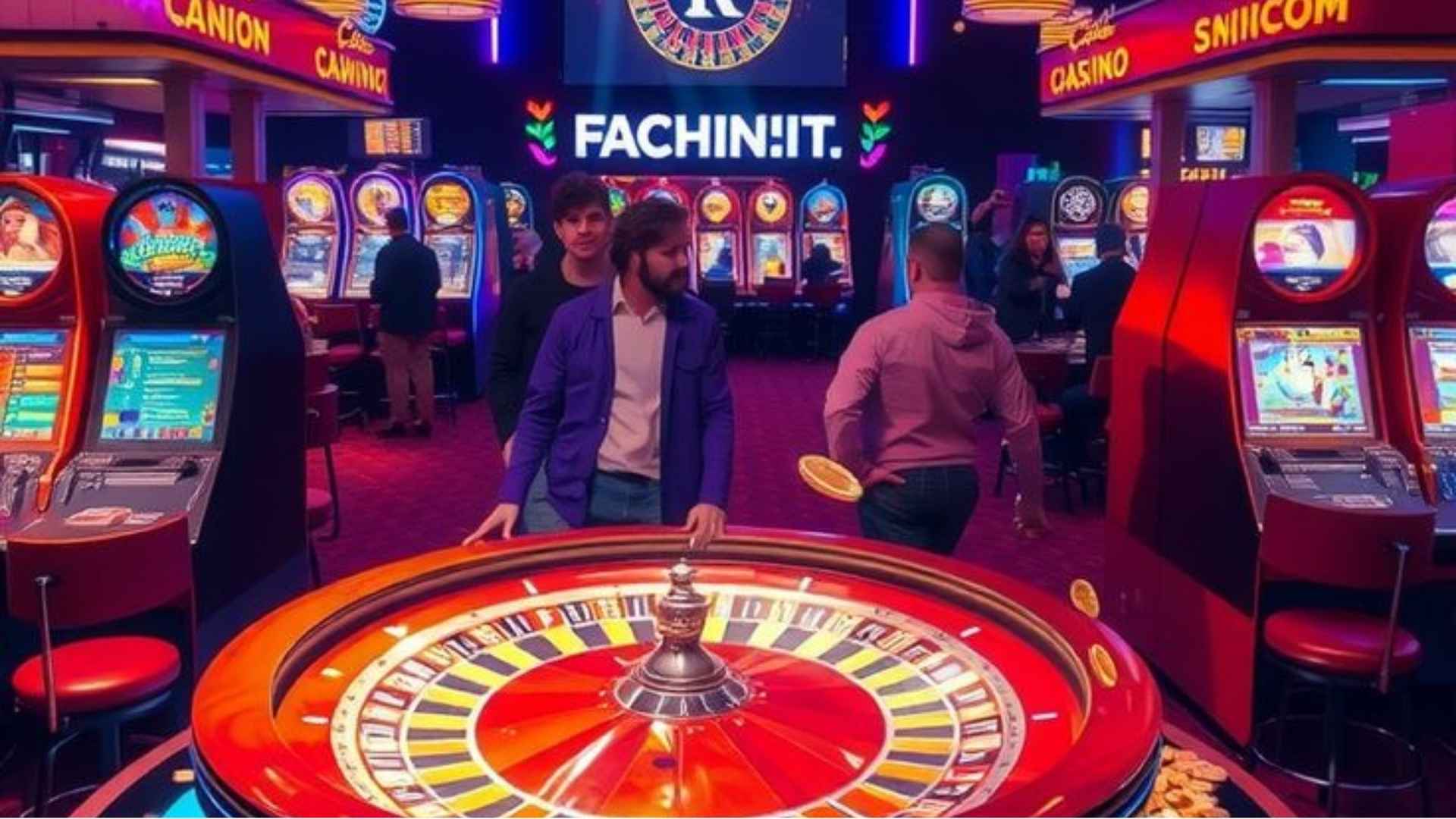
The world of online gaming has evolved dramatically, transforming simple mechanical reels into immersive digital adventures. Modern slot machines owe a great deal of their massive popularity to the creative themes that capture the imagination of players worldwide. These narrative backdrops provide more than just visual appeal; they create an engaging environment that keeps entertainment levels consistently high.
The Enduring Allure of Ancient Civilizations
Journeying back in time remains one of the most beloved concepts in the online gaming industry. Developers frequently draw inspiration from the mysteries of ancient Egypt, Rome, and Greece to design visually stunning environments. Players find themselves exploring hidden tombs or legendary temples while spinning the reels for potential treasures.
These historical motifs are incredibly popular because they combine a sense of adventure with familiar cultural mythology. The intricate symbols, such as scarabs, pharaohs, and ancient deities, add an extra layer of mystique to the gameplay. This timeless appeal ensures that historical adventures remain a permanent fixture on most gaming platforms.
Stepping into Realms of Fantasy and Myth
For those looking to escape reality completely, fantasy themes offer an incredible alternative filled with magic and wonder. These games transport players to mythical kingdoms populated by majestic dragons, powerful wizards, and hidden treasures. The creative freedom allowed by fantasy settings results in some of the most innovative visual features in the industry.
Many of these titles incorporate deep storytelling elements that unfold as you continue to play. Exploring a highly reputable platform like Mansion88 allows enthusiasts to discover a vast selection of these high-quality thematic titles safely. Engaging with immersive narratives makes each session feel unique and personally rewarding.
The Excitement of Modern Pop Culture and Branding
Another major trend reshaping the landscape is the rise of branded slots inspired by mainstream entertainment. Players can now interact with games directly based on hit television shows, blockbuster movies, and famous musical acts. Featuring official soundtracks and cinematic sequences, these games bridge the gap between video games and casual entertainment.
This familiarity creates an immediate connection, as fans love seeing their favorite characters integrated into the game mechanics. It also allows developers to utilize advanced graphics engines to deliver highly sophisticated multimedia experiences. Pop culture themes continue to attract a new generation of players looking for interactive and dynamic options.
The Appeal of High-Stakes Action and Adventure
Action-packed adventure concepts provide a thrilling experience for individuals who prefer fast-paced gameplay. These slots often follow heroic explorers navigating dangerous jungles, uncovering lost relics, or searching for sunken gold. The dynamic pacing keeps players engaged as they uncover unique bonus structures tied directly to the storyline.
By combining strong characters with unpredictable elements, these games mimic the progression systems found in traditional video games. This structural depth provides excellent casual fun while maintaining a balanced and entertaining environment. Ultimately, finding a theme that resonates with your personal tastes is the best way to enjoy your gaming sessions.

Board Games That Never Get Old ...
In an era dominated by rapid digital advancement and shifting entertainment trends, traditional tabletop gaming remains remarkably resilient. While video games and online applications frequently cycle through phases of popularity, certain physical games continue to capture the imaginations of players across different generations. The enduring charm of these timeless experiences lies in their ability to foster genuine human connection and spark friendly competition around a shared table.
The Core Elements of Timeless Game Design
The most enduring tabletop titles thrive because they perfectly balance straightforward rules with deep strategic possibilities. Beginners can easily grasp the fundamental concepts within a few minutes, yet mastering the optimal tactics requires long-term dedication and practice. This elegant simplicity ensures that players of varying age groups and skill levels can enjoy the experience together without feeling overwhelmed.
Furthermore, games that stand the test of time often incorporate a healthy balance of skill, luck, and player interaction. Random elements like dice rolls or card draws keep each session unpredictable and exciting, while tactical decisions allow skillful players to influence the final outcome. This dynamic structure prevents the gameplay from becoming repetitive, making every session feel entirely unique.
How Interactive Mechanics Prevent Monotony
A major factor contributing to the longevity of classic titles is the heavy emphasis on direct social interaction. Unlike solo digital experiences, physical board games require players to constantly read their opponents, negotiate deals, and adapt to shifting alliances. These lively social dynamics keep participants fully engaged throughout the session and turn standard matches into memorable social events.
Many enthusiasts discover that exploring different formats of gaming can provide a wonderful change of pace for their regular social gatherings. For instance, seeking out alternative recreational platforms like M88 can offer fresh avenues of interactive entertainment. However, the foundational joy of sitting face-to-face with friends to navigate a complex board game remains an irreplaceable tradition for families worldwide.
Preserving Tabletop Traditions for Future Generations
Building a curated collection of evergreen titles ensures that households always have access to high-quality entertainment regardless of changing technology. Investing in well-crafted editions with durable components, premium artwork, and clear layouts can significantly elevate the overall gameplay experience. These physical assets become cherished household staples that are proudly passed down through families over the decades.
Ultimately, the continuous resurgence of traditional gaming highlights a universal desire for tangible, screen-free recreation. As modern lives become increasingly virtual, gathering around a physical board provides a grounded space for laughter, critical thinking, and bonding. By maintaining a diverse selection of reliable classics, you guarantee endless hours of entertainment and meaningful connection for years to come.

Number Games vs Traditional Puzzle Games ...
The world of puzzles has expanded dramatically, offering enthusiast minds two distinct pathways for intellectual engagement. While numerical challenges focus on sequence formulas and logical precision, traditional puzzle games rely heavily on spatial reasoning and pattern recognition. Understanding the fundamental differences between these formats helps players select the ideal mental exercise to enhance cognitive flexibility and dynamic problem-solving skills.
The Core Mechanics of Numerical Puzzles
Number-based games challenge the brain by requiring structured deduction and systematic calculations within predefined boundaries. Players must analyze relationships between digits and eliminate incorrect paths based on absolute mathematical rules. This strict structural format transforms every puzzle into an objective lesson in deductive logic and focused patience.
Many modern platforms provide digital landscapes where users can experiment with complex numerical relationships and improve their mental speed. Exploring interactive gaming systems like Mansion88 can offer deeper insight into strategic mathematical layouts and new competitive variations. Engaging with these advanced options regularly helps individuals maintain long-term working memory and superior data processing capacities.
How Traditional Puzzle Games Formulate Cognitive Skills
In contrast to numerical challenges, traditional puzzles like crosswords and jigsaw configurations emphasize visual-spatial awareness and linguistic recall. These activities encourage global problem-solving strategies, allowing the mind to form connections without relying solely on quantitative formulas. The open-ended nature of these puzzles frequently rewards creative interpretation and lateral thinking techniques.
Additionally, traditional formats often integrate cultural context or storytelling elements to make the gameplay feel more immersive. This blending of creative themes and mechanical obstacles ensures a balanced cognitive workout that stimulates several parts of the brain simultaneously. Players find immense relaxation in sorting shapes or guessing words after a long period of analytical data parsing.
Finding the Right Balance for Your Brain Health
Choosing between number challenges and traditional puzzles ultimately depends on your personal wellness goals and current intellectual preferences. Rotating between both categories provides a comprehensive approach to cognitive health by training both the creative and logical cerebral hemispheres. This dual approach ensures your mind remains adaptable, resilient, and ready to face diverse real-world situations with total confidence.
Can You Beat Baccarat with Smart Strategies? ...
Baccarat has long captured the attention of casino enthusiasts due to its elegant simplicity and remarkably low house edge. While many players approach the table relying purely on luck, others wonder if structured methodologies can truly influence the outcome of this classic card game. Exploring the relationship between disciplined systems and statistical realities provides a clearer perspective on how to approach each round effectively.
Understanding the Core Mathematical Realities
To evaluate any tactical approach, one must first recognize that the game is fundamentally driven by fixed rules regarding card distribution. Unlike blackjack, where choices can alter the course of a hand, baccarat outcomes are strictly predetermined based on the initial deal. This means that systems cannot change the inherent probabilities of the cards remaining in the shoe.
However, players can optimize their positional value by understanding the subtle mathematical variance between the available options. The banker selection consistently holds the lowest house advantage, making it the statistical foundation for long-term play. Successful participants prioritize this option while systematically avoiding selections with a high statistical disadvantage, such as the tie wager.
The Practical Value of Structured Betting Systems
Many individuals implement progressive frameworks to manage their financial output and bring order to their session dynamics. These methods often focus on adjusting the size of a wager based on previous outcomes to manage short-term streaks. For those exploring these structured gaming environments, utilizing reliable platforms like Mansion88 can offer an authentic space to observe these patterns in real-time.
While these progression systems can help track your performance over multiple rounds, they do not mathematically eliminate the casino advantage over time. Their primary function is to provide an organized framework that replaces emotional decision-making with strict, predetermined rules. This systematic discipline is what separates casual players from those who maintain a focused approach.
The Ultimate Impact of Bankroll Management
The most effective method for navigating volatile swings at the table relies entirely on rigorous capital allocation and emotional control. Setting definitive limits on daily win targets and maximum loss boundaries ensures that profits are protected and losses remain manageable. This disciplined structure allows players to withstand natural fluctuations without jeopardizing their entire capital base.
In conclusion, while no system can guarantee an absolute victory over the mathematical parameters of the game, smart strategies remain highly beneficial. They transform a game of chance into a controlled exercise in probability and risk mitigation. By focusing on statistical advantages and maintaining strict financial boundaries, anyone can approach the table with confidence and poise.
Online Mobile Games with Fast Matchmaking ...
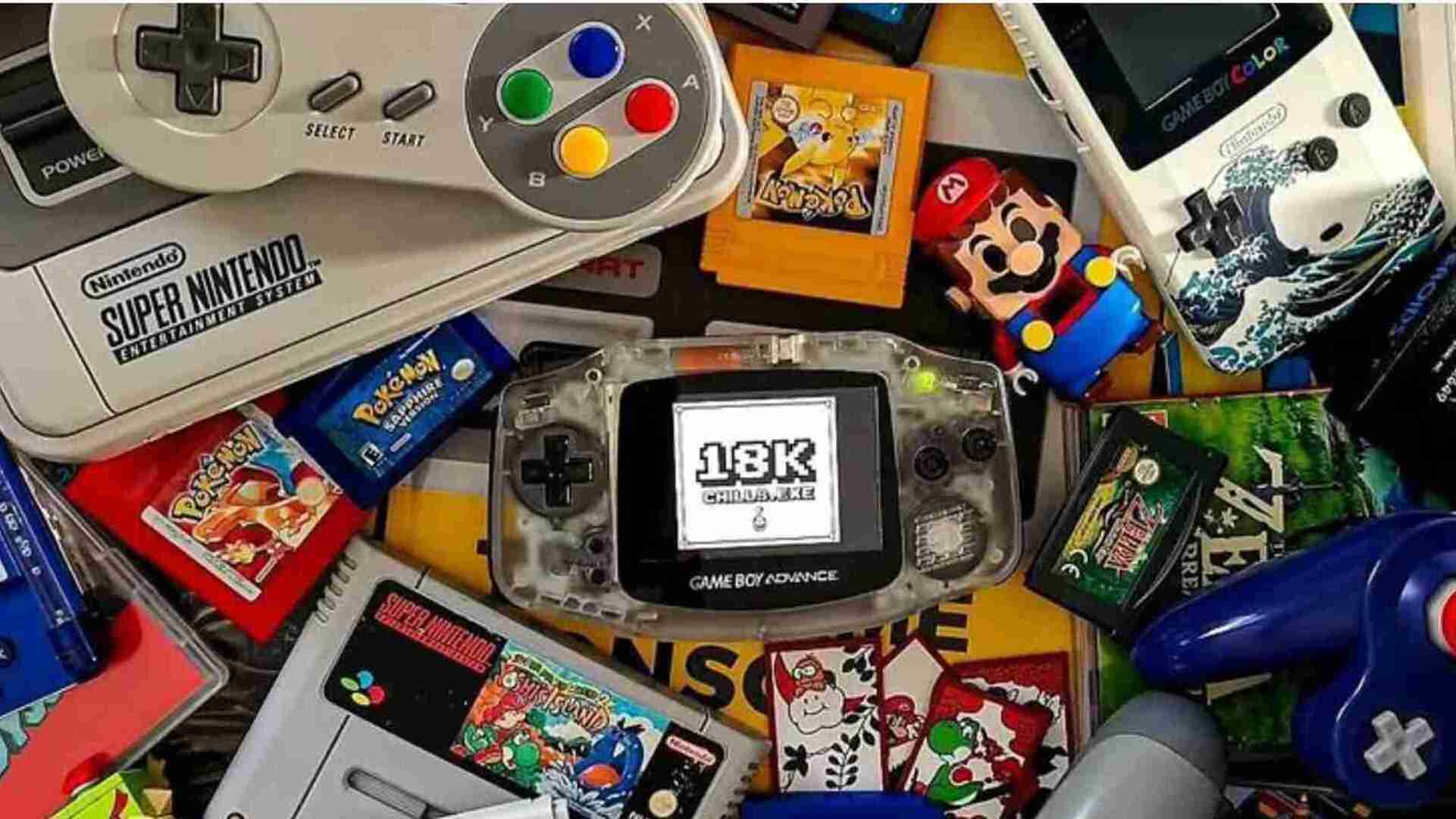
The fast-paced nature of modern life has significantly influenced how we consume digital entertainment, making quick access a necessity for mobile gamers. Players no longer have the patience to sit in long queues waiting for a lobby to fill up before they can enjoy a quick session. Because of this shift, developers are focusing heavily on optimizing their server infrastructures to deliver instant pairing and seamless transitions.
The Technology Behind Instant Pairing
To achieve rapid matchmaking, modern mobile titles rely on sophisticated algorithms that analyze player data in real time. These systems evaluate skill levels, latency, and geographic location within milliseconds to ensure balanced and lag-free matches. By prioritizing both connection speed and fair play, developers can keep the gameplay experience highly competitive and engaging.
Additionally, the integration of global cloud networks allows game servers to scale dynamically based on active player volume. This prevents regional bottlenecks and ensures that matchmaking remains incredibly fast even during peak gaming hours. For players, this means less time staring at loading screens and more time active on the virtual battlefield.
Top Genres Excelling in Fast Matchmaking
Multiplayer battle royales and tactical hero shooters are currently leading the charge in implementing rapid queue systems. Titles like PUBG Mobile and various multiplayer battle arenas are designed to assemble dozens of players into a single match within seconds. Their massive, active global player bases guarantee a constant stream of opponents ready to jump into action.
Casual competitive games, such as digital card games and quick-fire sports simulations, also benefit greatly from these streamlined matchmaking loops. These genres are perfect for players who want to enjoy a complete session during a quick commute or a work break. Having reliable, near-instant matchmaking makes these titles highly repeatable and addictive for daily gaming routines.
How Community Hubs Enhance the Experience
Finding a stable community or platform that supports competitive excellence can elevate your overall experience with fast-paced mobile titles. Many enthusiasts visit trusted platforms like M88 to discuss tournament strategies and learn about optimizing their device settings. Engaging with these digital hubs helps players stay informed about upcoming updates and the best networks for low-latency play.
Active forums and community guides also provide valuable insights into which games currently offer the most balanced matchmaking algorithms. Sharing feedback within these spaces helps developers identify potential queue exploits and refine their systems. Ultimately, a strong community network ensures that multiplayer gaming remains fair, competitive, and highly rewarding for everyone involved.
The Future of Mobile Matchmaking
As we look deeper into the future of mobile gaming, artificial intelligence is set to play a pivotal role in predicting queue times and pairing players. Predictive matchmaking will soon anticipate when players are likely to log on, pre-allocating server resources to make wait times virtually non-existent. This level of optimization will redefine convenience, making portable gaming more accessible than ever before.
Furthermore, cross-play capabilities are expanding, allowing mobile users to seamlessly match with tablet and console players without sacrificing competitive integrity. This unification of player pools will further reduce waiting times and create a more diverse and vibrant gaming ecosystem. The focus on speed and accessibility ensures that mobile platforms will remain the ultimate destination for quick, high-quality multiplayer action.
Essential Blackjack Etiquette for Online Players ...
The digital evolution of casino gaming has given rise to two distinct pathways for card enthusiasts seeking the ultimate twenty-one experience. While both formats follow identical traditional guidelines, the choice between real-time human interaction and software-driven simplicity completely alters the pacing and atmosphere of the game. Dissecting these foundational differences helps players align their entertainment goals with the ideal digital format.
The Immersive Realm of Live Dealer Gameplay
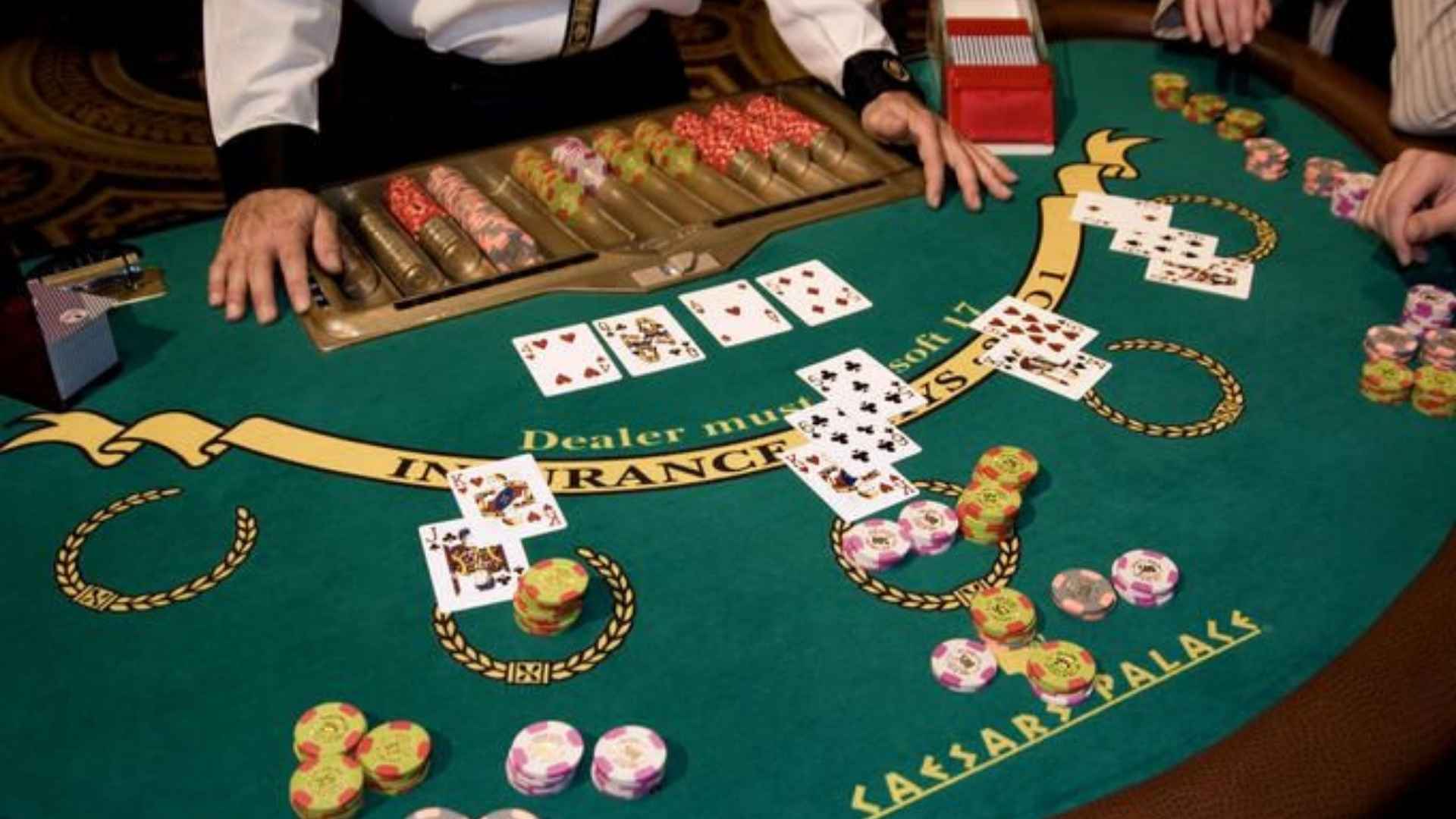
Live dealer games bridge the gap between physical casinos and digital convenience by broadcasting real human dealers from professional studios straight to your screen. This format preserves the social nuances of the game, allowing participants to chat with the host and watch real physical cards being shuffled and dealt. Many enthusiasts favor this transparent approach because it removes reliance on automated computer programs to determine the outcome.
The pacing tends to be significantly more deliberate, mimicking the realistic cadence of a land-based casino floor. For players who appreciate authentic atmospheres and communal interactions, accessing premium options through a trusted platform like M88asia offers an excellent starting point. The real-time stream ensures that every split, double down, and hit unfolds naturally before your eyes.
The Speed and Precision of Classic Blackjack
Classic online variations rely entirely on sophisticated random number generators to simulate the shuffling and dealing of digital cards instantaneously. This software-driven approach completely eliminates waiting times, allowing you to play at your own speed without waiting for other players to make their choices. It serves as an incredibly efficient option for strategy testing, quick sessions, or individuals who prefer absolute privacy.
Because there are no physical table limitations, finding an open seat is never an issue in standard computer-generated formats. The absence of interactive chat features also removes external distractions, creating an ideal environment for pure tactical concentration. However, some players may find the sterile visual aesthetic less engaging over extended gaming sessions.
Pacing and Strategic Decision Making
The rapid momentum of software-based variations demands excellent self-discipline, as it becomes very easy to play hundreds of hands within an hour. In contrast, the human element in live streaming naturally slows down the overall betting frequency, protecting your bankroll from impulsive decision-making. Your individual preference for either high-speed repetition or slow, methodical interaction will ultimately dictate the better choice.
Finding Your Ideal Gaming Destination
Choosing the ultimate format boils down to whether you prioritize the lively camaraderie of human interaction or the solitary convenience of automated systems. Beginners often find automated versions perfect for learning basic strategies due to the lack of time pressure on individual decisions. Meanwhile, seasoned veterans frequently gravitate toward real dealers to replicate the authentic high-stakes drama of brick-and-mortar establishments.

Why Arcade Games Are Perfect for Casual Players ...
The world of online gaming has evolved significantly, offering high-speed experiences that demand quick thinking and sharp reflexes. Modern players are increasingly drawn to fast-paced arcade games that provide immediate excitement and a satisfying sense of progression through rapid-fire challenges. These titles prioritize fluid movement and instant feedback, creating an immersive environment that keeps gamers on the edge of their seats.
The Thrill of High-Speed Reflex Gaming
High-speed arcade titles are designed to test a player's ability to process information and react within milliseconds. These games often involve navigating complex obstacle courses or engaging in intense combat scenarios where timing is everything. Mastering these mechanics provides a unique cognitive workout while delivering a rush of adrenaline during every play session.
Developers use vibrant visual cues and dynamic soundtracks to enhance the sense of urgency and speed. This combination ensures that every action feels impactful and every victory feels hard-earned through skill. As players improve their hand-eye coordination, they can tackle increasingly difficult levels that once seemed impossible.
Many of these experiences are now accessible directly through web browsers, allowing for instant access without the need for high-end hardware. For those looking to explore a variety of fast-paced options and reliable platforms, visiting Mansion88 can provide insights into secure and engaging digital gaming environments. Having a trusted starting point makes it easier to focus on perfecting your gaming strategy and enjoying the competitive spirit.
Modern Bullet Hell and Twin-Stick Shooters
Bullet hell games represent the pinnacle of fast-paced arcade action, requiring players to dodge hundreds of projectiles while counter-attacking. These games emphasize pattern recognition and precise positioning in a chaotic environment. The constant movement required makes these titles some of the most engaging options for thrill-seekers today.
Twin-stick shooters offer a different take on speed by allowing independent control over movement and aiming. This dual-control scheme creates a high ceiling for mastery, as players must manage spatial awareness from multiple angles at once. The frantic nature of these games often results in short, high-intensity play sessions perfect for a busy schedule.
Success in these genres often depends on understanding the unique hitbox of your character and the specific firing patterns of enemies. With practice, players can enter a state of flow where movements become instinctive. This level of engagement is what makes these fast-paced arcade games worth playing repeatedly.
Endless Runners and Precision Platformers
Endless runners have become a staple of the arcade genre due to their simple controls and exponentially increasing speed. The goal is straightforward, yet the execution becomes incredibly difficult as the pace quickens and obstacles appear more frequently. This simplicity makes them highly addictive for both casual and dedicated gamers alike.
Precision platformers take the speed of arcade games and apply it to complex environmental puzzles. Players must execute series of jumps and dashes with perfect timing to navigate through treacherous terrain. One wrong move usually leads to an instant reset, emphasizing the importance of accuracy at high velocities.
These games often feature global leaderboards, encouraging players to compete for the highest score or fastest completion time. The social aspect of competing against a community adds a layer of depth to the experience. This competitive drive ensures that the arcade scene remains vibrant and full of fresh challenges.
Technological Advances in Arcade Speed
Recent improvements in web technology have allowed for smoother frame rates and more responsive controls in online arcade games. This is crucial for fast-paced titles where even a slight delay can mean the difference between winning and losing. Players can now enjoy complex 3D graphics and sophisticated physics engines within their browser.
Artificial intelligence is also being used to create adaptive difficulty levels that react to a player's performance in real-time. If you are playing exceptionally well, the game can increase the speed or complexity to keep the challenge fresh. This personalization ensures that the gameplay remains rewarding regardless of your initial skill level.
As virtual reality and augmented reality continue to develop, the potential for even more immersive fast-paced experiences is growing. Future arcade games may allow players to physically dodge projectiles in a 3D space. The evolution of this genre shows no signs of slowing down, promising even more excitement for years to come.
Semua artikel sudah ditampilkan.