Recent Post

How to Maximize Your Lucky Draw Entries ...
Participating in lucky draw events brings an undeniable sense of excitement as everyone hopes to secure the top reward. While these campaigns are largely built around random chance, strategic planners can take specific steps to improve their overall position. By understanding how entry systems work, you can optimize your efforts and approach each new campaign with greater confidence.
Understand the Official Promotion Rules
Every legitimate giveaway operates under a strict set of official guidelines that detail who can participate and how winners are chosen. Reviewing these criteria carefully ensures that you do not accidentally disqualify your entries due to minor technical errors. Knowing the exact deadlines and verification steps helps you maintain full compliance throughout the promotional period.
Many modern campaigns also offer distinct avenues for earning extra submissions through verified interactions. Exploring these legitimate channels allows you to build a stronger presence without violating the core terms of service. Staying informed is always the best foundation for any successful long-term approach.
Leverage Multiple Valid Entry Channels
Many promotional systems encourage participants to interact with their platforms across different mediums to gain more traction. For instance, engaging with digital campaigns across the region can introduce you to new submission methods. Dedicated platforms like M88 asia frequently showcase various events that feature interactive ways for enthusiasts to get involved regularly.
It is beneficial to diversify the types of campaigns you join rather than focusing entirely on a single highly competitive drawing. Spreading your efforts across smaller community milestones or local promotions can significantly improve your baseline statistics. Consistent engagement across varied formats remains a reliable strategy for active participants.
Manage Submissions with Timing and Consistency
Timing your entries can occasionally play a role in campaigns that utilize rolling weekly draws or immediate milestones. Spacing out your submissions rather than sending them all at once ensures a steady footprint across the entire promotional window. This method keeps your profile active during different phases of the selection process.
Keeping an organized schedule of ongoing events helps you avoid missing critical windows for bonus entries. Setting simple reminders ensures that daily or weekly tracking tasks are completed accurately and on time. A systematic approach always outlasts disorganized, impulsive participation.
Focus on Quality and Security
Prioritizing safe and verified platforms protects your personal data while ensuring that your hard-earned entries are genuinely counted. Avoid systems that demand unnecessary fees or make unrealistic promises about guaranteed success rates. Sticking to recognized and transparent platforms keeps your promotional hobby both safe and enjoyable over time.
Ultimately, maximizing your impact requires a balanced mix of careful reading, systematic timing, and widespread baseline participation. Embracing these practical insights turns a game of pure luck into an organized and engaging pastime. Maintain patience, follow the rules, and enjoy the structured process of exploring new opportunities.

Why Keno Remains a Popular Number Game ...
Keno has secured a lasting legacy in the gaming world, captivating audiences across different generations and continents. While modern casino floors and online platforms constantly introduce visually complex games, this lottery-style numbers draw maintains a remarkably steady and loyal following. Its unique combination of easy mechanics and high anticipation ensures that it remains an essential offering in both physical and digital establishments.
The Appeal of Pure Simplicity
One of the primary drivers behind the enduring popularity of Keno is its straightforward and accessible gameplay. Unlike complex card games or technical strategy options, players do not need to memorize extensive rules or statistical charts to participate. You simply select your favorite numbers from a standard pool, place your preferred wager, and wait for the results to be revealed.
This low barrier to entry makes it an ideal option for casual enthusiasts looking for relaxing entertainment. The absence of pressure allows individuals to play at their own pace without worrying about competing against others or making tactical errors. For many, this uncomplicated nature provides a perfect escape from everyday stress.
Flexible Betting and High Potential Rewards
Keno offers a level of betting customization that is rarely found in traditional lottery systems. Participants can choose exactly how many spots they want to play, ranging from a single number up to fifteen or more in certain variants. This flexibility allows individuals to control their own risk levels and tailor the game to their personal budget preferences.
Furthermore, the structure of the payouts provides the thrilling possibility of substantial returns on relatively small stakes. Matching a high percentage of selected numbers can trigger impressive multipliers, adding an intense layer of excitement to every single draw. This balance of low risk and high reward potential keeps the gameplay consistently engaging.
Seamless Integration into Digital Platforms
The transition from mechanical drawing cages to modern digital software has significantly boosted the global reach of Keno. Online platforms have eliminated the waiting times associated with traditional casino schedules, offering instant draws whenever a player desires. Enthusiasts can easily explore these options on specialized gaming networks, such as finding a reliable M88 asia platform that hosts multiple variations.
Modern software advancements have also introduced vibrant themes, progressive jackpots, and adjustable game speeds to enhance user interaction. These digital innovations ensure that the classic lottery experience feels fresh and attractive to younger, tech-savvy audiences. Consequently, the game has successfully adapted to the fast-paced demands of contemporary internet entertainment.
The Social and Cultural Legacy
Beyond the numbers and software, Keno carries a rich history that traces its origins back thousands of years to ancient China. This deep cultural footprint has allowed it to blend seamlessly into different societies as a familiar, trusted pastime. Whether played in a bustling local lounge, a grand casino resort, or on a mobile screen, it retains an undeniable sense of nostalgia.
The shared experience of watching the numbers drop also fosters a unique community atmosphere among participants. People enjoy discussing their favorite selection patterns, celebrating close matches, and sharing the collective suspense of the draw. This timeless social element guarantees that Keno will continue to thrive as a preferred number game for years to come.

How to Improve Your Performance in Rummy Competitions ...
Participating in competitive rummy requires a blend of sharp memory, strategic card management, and emotional discipline. Moving from friendly matches to a structured tournament environment introduces new pressures that require players to elevate their decision-making skills. By focusing on critical game mechanics and psychological preparation, you can steadily increase your win rate against experienced opponents.
Mastering the Art of Discard Tracking
One of the most effective ways to gain an advantage in a tournament is by paying close attention to the discard pile. Tracking what your opponents throw away or pick up reveals valuable clues about the sequences and sets they are attempting to form. This information allows you to hold onto cards that your opponents desperately need, effectively stalling their progress.
Furthermore, keeping a mental log of discarded cards prevents you from making careless mistakes with your own hand. You can quickly deduce which cards are no longer available in the deck, helping you discard safely without helping the next player. Consistent practice in tracking builds the subconscious habits necessary to stay ahead in fast-paced competitive environments.
Strategic Hand Evaluation and the Early Drop
Experienced tournament players know that winning is not just about scoring points, but also about minimizing losses during unfavorable rounds. Evaluating your opening hand immediately is crucial to determining whether you should play aggressively or drop out early. If you are dealt a hand with no jokers and highly disconnected cards, taking a minor penalty by folding is often the smartest move.
Many beginners make the mistake of playing weak hands in the hope of a lucky draw, which usually leads to heavy point deficits. Embracing the strategic drop preserves your points standing and keeps you viable for subsequent rounds of the tournament. Knowing when to step back is a core element of long-term success in professional card gaming.
Adapting to Tournament Dynamics and Formats
Every competition has its own unique pacing, ruleset, and scoring structure that should dictate your overall gameplay strategy. Some formats reward fast, aggressive play, while others favor a more conservative approach focused on survival. Adapting your style to the specific tournament format ensures you are not caught off guard as the pressure increases.
To build your familiarity with different tournament structures, playing on diverse digital platforms can be highly beneficial. For example, exploring competitive formats through platforms like M88 asia offers players direct exposure to various international rulesets and interactive lobbies. This diverse experience prepares you to handle unexpected game variations and competitive pressures with ease.
Maintaining Focus and Mental Stamina
Long tournament sessions can be mentally draining, often leading to fatigue-induced errors in the later rounds of play. Maintaining a calm and methodical routine for analyzing each turn keeps your mind sharp even under tight time limits. Avoid making rushed decisions based on emotion, as composure is frequently the deciding factor between finalists.
Additionally, taking short mental breaks between matches helps reset your focus and reduces the stress of previous losses. Treating every round as a fresh start prevents negative momentum from affecting your current strategic choices. By combining steady tactical analysis with emotional control, you will consistently perform at your absolute best.
Understanding Wheel of Fortune Bonus Features ...
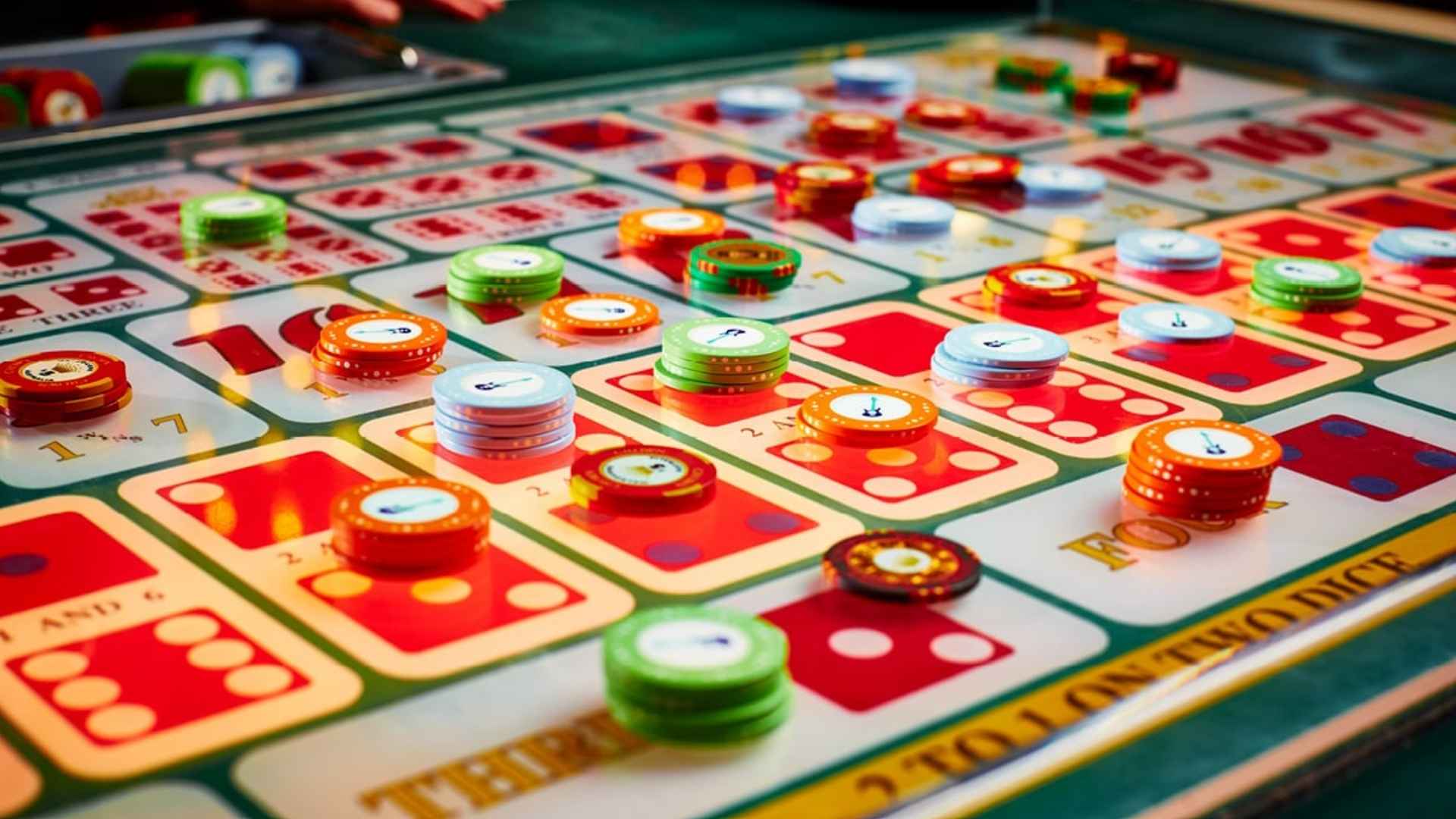
The timeless charm of Wheel of Fortune lies not just in its iconic spinning mechanism, but also in the layers of excitement added by its diverse bonus features. These unique gameplay mechanics are designed to keep participants engaged while offering them multiple pathways to maximize their overall rewards. Understanding how these features function can elevate any enthusiast's appreciation of the classic game show format.
The Power of Mystery and Express Wedges
Mystery Wedges introduce a thrilling element of risk and reward during the second round of play. Contestants can choose to accept a safe, flat rate per correct consonant or risk everything to flip the wedge over. This hidden face can either award a significant prize cushion or result in an instant bankruptcy.
Similarly, the Express Wedge offers a fast-paced environment where players can bypass the traditional wheel spin entirely. Landing on this segment allows you to continually call consonants for a fixed value as long as you guess correctly. However, a single mistake acts as a standard bankrupt, making it a true test of confidence.
Gateway to the Ultimate Bonus Round
Securing a spot in the final stage represents the pinnacle of success for any contestant during a session. This ultimate segment strips away the standard wheel and replaces it with a miniature version containing highly valuable prize envelopes. Solving this final puzzle requires a combination of strategic letter selection and quick mental processing under pressure.
Before entering this high-stakes arena, players often sharpen their decision-making skills on various interactive digital platforms. Exploring trusted online resources like M88 asia provides enthusiasts with valuable exposure to diverse word puzzle structures. This deliberate preparation helps build the cognitive speed necessary to tackle the final round's strict time limit.
Wild Cards and Special Multipliers
Special elements like the Wild Card can completely shift the momentum of a game when held at the right time. This unique feature can be used in the main rounds to call an extra consonant or carried over to the final round. Having an extra letter choice in the concluding puzzle significantly boosts the mathematical probability of a successful solve.
Additionally, modern tournaments sometimes introduce multiplier features that amplify the value of existing wedges. These elements ensure that even late-game shifts can keep the competition fierce and unpredictable until the very last spin. Understanding these mechanics helps viewers appreciate the strategic choices made by top-performing contestants.
Maximizing Outcomes Through Smart Play
Consistent success in navigating these bonus features relies heavily on maintaining a disciplined game plan. Players must constantly weigh the risk of a bankrupt segment against the potential reward of an extra spin. Developing a balanced approach to vowel purchases and consonant calls is essential for keeping control of the board.
Ultimately, these dynamic features transform a simple game of chance into a deeply strategic exercise. By studying letter frequencies and managing virtual bankrolls effectively, participants can turn unpredictable spins into consistent victories. Embracing these advanced mechanics ensures a far more satisfying and rewarding gameplay experience overall.

How Mystery Boxes Add Fun to Online Shopping ...
The digital marketplace has evolved far beyond simple, predictable transactions into a dynamic landscape of interactive entertainment. One of the most engaging trends capturing the attention of modern consumers is the rise of mystery boxes, which package anticipation and retail therapy into a single order. By turning a standard checkout process into an exciting guessing game, retailers have successfully injected a fresh layer of joy into daily browsing routines.
The Core Appeal of Curated Suspense
Traditional e-commerce platforms often focus solely on efficiency and speed, which can occasionally make the shopping experience feel clinical. Mystery boxes disrupt this predictable rhythm by introducing the element of the unknown, transforming a typical delivery day into an unfolding event. The sheer curiosity of not knowing what lies beneath the wrapping paper replicates the nostalgic joy of opening a holiday gift.
This gamified setup appeals to our natural love for surprises and variable rewards, keeping consumers highly engaged throughout the entire transaction. Many shoppers find that the emotional journey of waiting for the package provides just as much satisfaction as the actual physical products inside. It shifts the focus from a basic material acquisition to a memorable, interactive experience that breaks the monotony of standard online orders.
Experiential Commerce and Virtual Discoveries
Modern consumers are increasingly prioritizing experiential value over simple product ownership when spending their hard-earned money. Virtual unboxings have gained immense traction online, allowing individuals to experience the thrill of discovery directly through their screens before the physical shipment even arrives. This interactive digital environment mirrors the excitement found on platforms like M88 asia, where users actively seek engaging online entertainment and immediate feedback.
By blending digital gamification with tangible real-world rewards, brands are redefining how people interact with their storefronts. This hybrid approach keeps the buying process lively, encouraging shoppers to step outside their comfort zones and try new product categories. The resulting positive reinforcement makes online shopping feel less like a chore and more like a recreational activity.
Discovering Hidden Value and Unique Items
Another major factor contributing to the fun of mystery packages is the chance to discover unique products that you might not normally buy. Curators often include limited-edition items, exclusive collaborations, or niche merchandise that is difficult to find on standard retail shelves. Uncovering these hidden gems gives buyers a sense of pride and makes their personal collections feel truly one-of-a-kind.
Furthermore, many premium collections are structured to ensure that the cumulative value of the contents exceeds the initial purchase price. This gives shoppers the added satisfaction of securing a fantastic deal while enjoying an adventurous product reveal. The combination of financial smartness and playful exploration ensures that the experience remains deeply rewarding for bargain hunters and collectors alike.
Best Practices for Enjoying the Trend
To keep this unique shopping trend genuinely fun and stress-free, consumers should always approach their purchases with a clear strategy. Researching seller reviews and verifying their unboxing history can help guarantee that you are dealing with a trustworthy merchant. Knowing the general theme and potential odds of the items beforehand keeps your expectations realistic and balanced.
Setting a reasonable spending limit ensures that the activity remains an entertaining hobby rather than an impulsive spending habit. When approached with a playful mindset and smart planning, opening these curated packages remains a fantastic way to brighten your routine. Ultimately, the true value of a mystery box lies in the memorable moments of suspense and happiness it brings straight to your doorstep.

Common Bridge Games Conventions Every Player Should Learn ...
The game of contract bridge relies heavily on effective communication between partners during the critical auction phase. While natural bidding systems form a great foundation, integrating standard conventions can significantly elevate your performance on the table. Understanding these artificial bids allows partnerships to describe complex card hands with incredible accuracy and confidence.
The Essential Stayman Convention
The Stayman convention is one of the most widely used tools in modern bridge. It is initiated by a responder bidding two clubs after a one no-trump opening to ask if the opener holds a four-card major suit. This approach helps partnerships uncover lucrative major suit fits that might otherwise go unnoticed during a standard natural auction.
Implementing Stayman prevents players from missing vital game-level contracts in hearts or spades. It provides a structured mechanism to explore the hand geometry before settling on a final strain. Mastering this response is an absolute requirement for anyone looking to transition from casual play to competitive environments.
Navigating Length with Jacoby Transfers
Another indispensable asset for no-trump auctions is the Jacoby Transfer convention. This tactical bidding maneuver allows the responder to force the opener to bid a specific major suit at a low level. By transferring the declaration to the strong opening hand, the partnership ensures that the opponent's opening lead travels toward the hidden high cards.
Using transfers effectively protects vulnerable kings and queens from being immediately captured by aggressive defenders. It simplifies subsequent bidding rounds by clearly defining hand length and potential game interest. Regular practice with this convention helps players develop a seamless connection with their partners over time.
Exploring Slam with Blackwood
When a partnership uncovers an extraordinary fit, the Blackwood convention becomes invaluable for exploring slam possibilities. A conventional bid of four no-trump asks the partner to reveal exactly how many aces they hold in their hand. This vital piece of data ensures that you do not accidentally contract for a slam when missing two critical defensive tricks.
Many analytical players use comprehensive online strategy guides hosted on modern platforms like Mansion88 to master advanced variations of these classic systems. Knowing when to deploy the ace-asking bid requires strong situational awareness and strict bidding discipline. Avoiding premature slam bids is a primary hallmark of a mature and highly capable bridge partnership.
The Utility of Jacoby Two No-Trump
The Jacoby Two No-Trump convention offers an excellent way to handle forcing major-suit raises from a responder. When partner opens one of a major, a jump to two no-trump shows game-going values and at least four-card support. This immediate clarity allows the opening bidder to describe short suits or extra values on the next turn.
By utilizing this specialized convention, partnerships can efficiently map out game or slam potential without burning precious bidding space. It eliminates guesswork in competitive situations where the opponents might intervene. Integrating these four core agreements will establish a rock-solid foundation for long-term card play success.
Pineapple Poker vs Texas Hold'em Comparison ...
Texas Hold'em has long reigned as the undisputed king of community card poker games, drawing millions of players to tables worldwide. However, Pineapple Poker has emerged as an exciting alternative that injects extra action and strategic complexity into the classic format. Understanding the subtle yet impactful differences between these two variants can help players decide which style best suits their personal gaming preferences and skill levels.
The Core Difference in Card Dealing
The most fundamental distinction between the two games lies in how many hole cards players receive at the start of a hand. In Texas Hold'em, players are dealt exactly two private hole cards face down. Pineapple Poker twists this setup by dealing each player three private hole cards right from the beginning of the deal.
This extra card drastically alters the pre-flop landscape and expands the starting possibilities for everyone at the table. However, players cannot keep all three cards forever, which leads to the game's defining strategic decision. Deciding which cards hold the most long-term potential is a skill unique to the Pineapple format and requires careful observation.
The Mandatory Discard Phase
Before the community cards are dealt on the flop, players in a standard Pineapple game must discard one of their three hole cards. This discard phase forces participants to evaluate their hands early and commit to a specific path forward. In contrast, Texas Hold'em players hold onto their initial two cards throughout the entire hand without any adjustments.
This critical choice makes pre-flop decision-making much more active and analytically demanding in Pineapple. Making the right choice requires a strong grasp of potential board runouts and hand values. For players looking to practice these foundational dynamics online, using a trusted platform like M88 asia can offer the perfect venue to test your emerging strategies against real opponents.
Hand Strengths and Math Dynamics
Because players start with three cards instead of two, the average strength of hands shown down in Pineapple Poker is significantly higher. Holdings like two pair or simple top-pair hands are much more vulnerable than they are in Texas Hold'em. You must quickly adjust your expectations and fold hands that would otherwise be considered strong in traditional Hold'em tables.
The mathematical probabilities shift dramatically when you account for the discarded cards that are permanently removed from play. This means drawing to flushes and straights is often more common and expected by experienced opponents. Adjusting to these inflated values and learning to calculate your outs under these conditions is the key to transitioning successfully.
Choosing Your Preferred Poker Path
Texas Hold'em remains the perfect choice for players who appreciate slow-burning psychological tension and deep tactical betting structures. Its elegant simplicity is very easy to learn but offers a lifetime of strategic mastery. Pineapple is ideal for those seeking faster action, more frequent premium hands, and a refreshing break from standard routines.
Both variants offer unique rewards and test different aspects of a player's analytical mind and patience. Whichever game you choose, focusing on solid bankroll management and disciplined hand selection will ensure long-term enjoyment. Exploring both formats will ultimately make you a more versatile and complete player at any table.

How to Build Winning Mahjong Combinations ...
Mahjong is a game of profound depth where success relies heavily on assembling the right groups of tiles before your opponents can finish theirs. For many developing players, moving beyond basic tile matching requires a structured approach to analyzing probabilities and recognizing geometric tile patterns. Mastering the art of assembling complete hands efficiently transforms the gameplay experience from a simple race into a beautifully calculated strategy.
Evaluating Your Initial Deal
Every successful round begins with a careful evaluation of your starting hand to determine its natural trajectory. Experienced players group their initial tiles into potential sets while noting which suits or numbers show the highest density. This early assessment helps you identify whether to pursue an aggressive offensive strategy or prepare a flexible defensive fallback plan.
It is important to avoid forcing a specific rare combination if the initial tiles do not support it naturally. Overcommitting to a predetermined path early on often results in wasted turns and missed opportunities as the game progresses. Keeping your initial arrangements flexible ensures you can adapt fluidly to the unpredictable flow of the table.
Mastering Tile Efficiency and Shapes
Maximizing tile efficiency is the definitive core mechanic behind creating quick, winning combinations. This process involves prioritizing multi-sided tile shapes that can accept multiple different incoming pieces to complete a sequence. For instance, holding consecutive numbers like a three and a four provides twice as many winning opportunities as holding a gap pair like a three and a five.
As you refine your hand, identifying and discarding isolated tiles that offer no structural value becomes a routine necessity. Many enthusiasts sharpen their tactical skills by participating in online communities or exploring strategic guides on M88 asia to study advanced hand-building methods. Prioritizing adaptable shapes drastically reduces the total number of turns required to reach a ready state.
Balancing Sequences and Triplets
An essential aspect of building strong tile groups is finding the perfect balance between consecutive sequences and identical triplets. Sequences are mathematically easier to form because they offer multiple paths for completion through both drawing and calling. Triplets, on the other hand, carry higher traditional scoring values but demand greater reliance on specific individual tiles.
Observing the open discard pile carefully reveals which pieces are still active within the remaining wall. If several copies of a tile you need have already been discarded, it is wise to abandon that specific triplet path immediately. Shifting your focus toward open-ended sequences ensures your hand remains viable until the final tile is drawn.
Defensive Hand Management
Building a winning combination is not solely about advancing your own pieces; it also requires preventing your opponents from completing theirs. Maintaining strong situational awareness means tracking which suits other players are actively discarding or collecting. When an opponent shows signs of holding a near-complete hand, throwing safe tiles becomes your highest priority.
Holding a few versatile, safe tiles in your hand can protect you from making a catastrophic discard late in the round. This balanced approach ensures that even when you cannot secure a victory, you minimize losses effectively. True mastery of the game blends efficient offensive combination building with an unshakeable defensive foundation.
The History Behind Solitaire Games ...
Solitaire is widely recognized as one of the most played card games in the world, yet few players know the rich history behind its simple layout. This solo pastime has traveled across continents and centuries, shifting from aristocratic parlors to digital screens worldwide. Understanding its development offers a fascinating look at how leisure activities evolve alongside human society.
The European Beginnings of Patience
The true origins of solitaire, traditionally known as patience in Europe, are shrouded in mystery but likely trace back to the late 18th century. Early records suggest the game first appeared in northern regions, specifically Germany or Scandinavia, as a form of solo entertainment. Some historians also link its early layouts to cartomancy, where players used card arrangements to divine the future.
By the early 1900s, the game had spread to France, where it gained immense popularity among the nobility. According to popular legend, French prisoners during the Revolution played the game to pass the lonely hours before their trials. This noble association helped popularize the game across the English Channel, cementing its status as a respectable pursuit.
The Golden Age of Rules and Literature
As the game grew in popularity throughout the 19th century, writers began documenting its many variations. The first official book dedicated to patience rules was published in Russia in 1826, quickly followed by collections in Sweden and Germany. These publications allowed players to share standardized rules and try increasingly complex layouts.
In the English-speaking world, Lady Adelaide Cadogan published the first major collection of patience games around 1870. This book, along with works by other prominent authors, sparked a massive craze in Great Britain and the United States. During this period, classic versions like Klondike began to emerge, named after the famous Canadian gold rush region.
How Solitaire Conquered the Digital World
The modern era of solitaire began in 1990 when Microsoft included a digital version of Klondike in Windows 3.0. Originally designed to help computer users learn how to use a mouse, the software quickly became a global phenomenon. It transformed a physical tabletop game into an instant, accessible digital ritual for millions of office workers.
Today, classic card enthusiasts can easily find their favorite variations online alongside modern gaming platforms. For instance, players often explore sites like M88 asia to enjoy high-quality gaming options and test their strategic card skills. This seamless transition into the digital landscape ensures that solitaire remains just as relevant today as it was centuries ago.
The Legacy of a Solitary Pastime
From its mysterious Baltic origins to the pre-installed software on billions of computers, solitaire has survived by adapting to new mediums. It remains a rare game that requires no opponent, offering a quiet mental challenge and a brief escape from daily stress. As technology continues to change, the basic human desire for a simple deck of cards and a bit of patience remains unchanged.

The Evolution of Modern Table Games ...
Table games have undergone a fascinating transformation over the centuries, transitioning from simple physical pastimes to highly sophisticated interactive experiences. Today, they represent a perfect blend of rich tradition and modern technology, capturing the imaginations of players worldwide. As society changes, the way we engage with these timeless classics continues to adapt to new cultural and technological landscapes.
From Ancient Origins to the Digital Screen
The earliest table games were carved from wood and stone, serving as a primary source of social gathering and mental challenge in ancient civilizations. Over generations, these basic setups evolved into the structured board and card games that defined family entertainment for decades. Today, digital platforms have completely revolutionized this space, allowing players to access their favorite games instantly from anywhere in the world.
This digital migration has not only preserved classic mechanics but has also introduced exciting new variations that were previously impossible. Enthusiasts can now enjoy highly polished interfaces and interactive features that make every session feel dynamic and engaging. For those looking to explore reliable online hubs, M88 asia offers a comprehensive look at how modern gaming continues to thrive in the virtual world.
The Impact of Live Dealer Technology
One of the most significant milestones in this journey is the integration of live dealer streams, which bridge the gap between physical and digital spaces. By broadcasting real-time dealers directly to players' screens, technology has successfully recreated the authentic atmosphere of a traditional setup. This breakthrough has restored the crucial social element that many felt was missing from early digital adaptations.
Furthermore, high-definition video feeds and real-time chat functions allow for seamless interaction between players and hosts. This level of immersion ensures that the strategic tension and excitement of the game remain fully intact. As internet speeds and streaming technologies continue to improve, the quality of these live experiences will only grow more impressive.
Why Modern Table Games Continue to Thrive
The enduring popularity of these games lies in their ability to combine cognitive challenge with social connection. Unlike purely luck-based entertainment, table games reward strategic planning, psychological reading, and quick decision-making. This depth keeps players engaged over the long term, as there is always a new tactic to learn or a skill to refine.
Ultimately, the modern evolution of these games proves that while the medium may change, the fundamental appeal of a well-designed game remains constant. Whether playing on a wooden board or through a smartphone application, the thrill of competition and the joy of strategy continue to bring people together.
Semua artikel sudah ditampilkan.