Number Games vs Traditional Puzzle Games
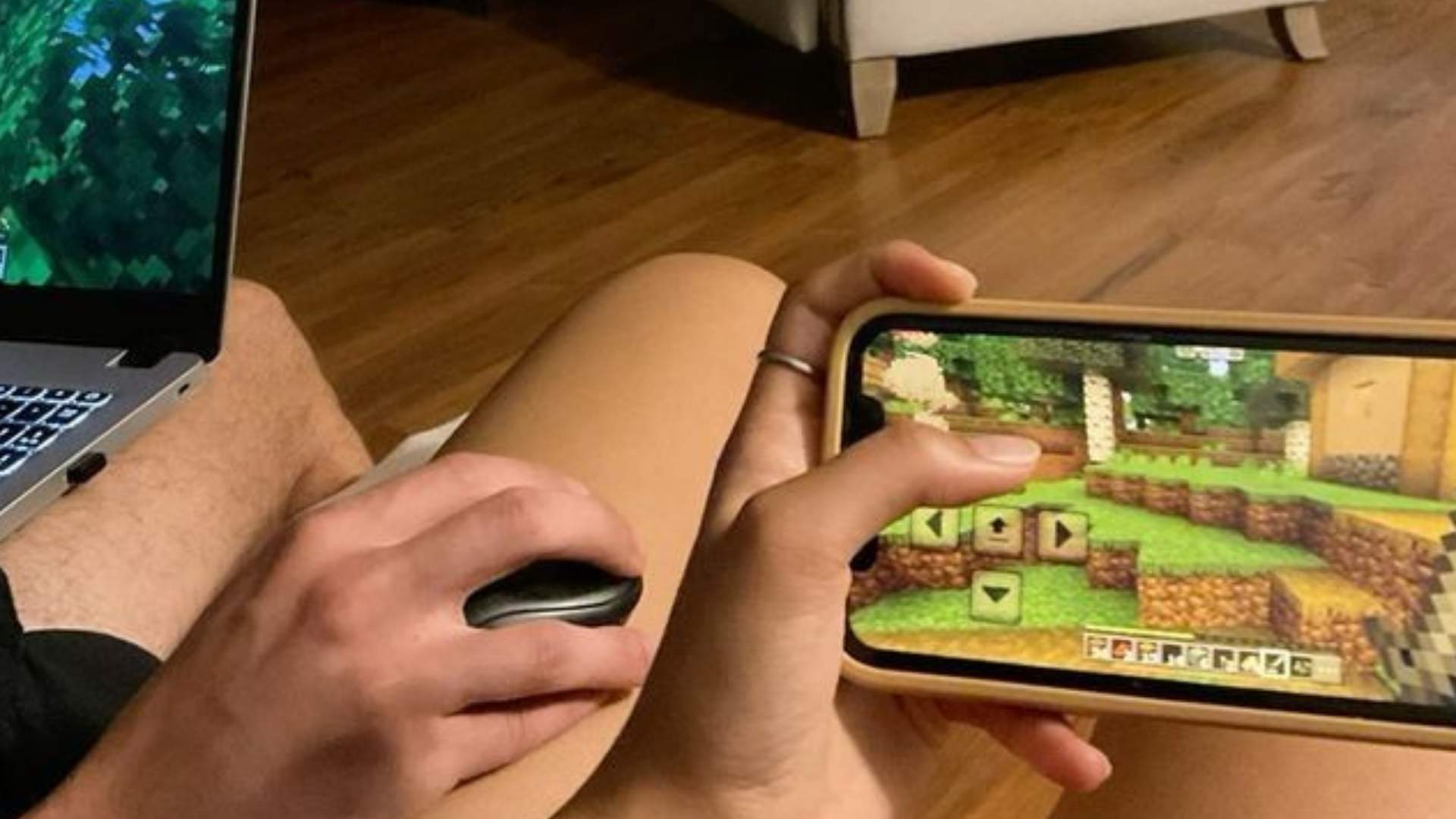
The world of puzzles has expanded dramatically, offering enthusiast minds two distinct pathways for intellectual engagement. While numerical challenges focus on sequence formulas and logical precision, traditional puzzle games rely heavily on spatial reasoning and pattern recognition. Understanding the fundamental differences between these formats helps players select the ideal mental exercise to enhance cognitive flexibility and dynamic problem-solving skills.
The Core Mechanics of Numerical Puzzles
Number-based games challenge the brain by requiring structured deduction and systematic calculations within predefined boundaries. Players must analyze relationships between digits and eliminate incorrect paths based on absolute mathematical rules. This strict structural format transforms every puzzle into an objective lesson in deductive logic and focused patience.
Many modern platforms provide digital landscapes where users can experiment with complex numerical relationships and improve their mental speed. Exploring interactive gaming systems like Mansion88 can offer deeper insight into strategic mathematical layouts and new competitive variations. Engaging with these advanced options regularly helps individuals maintain long-term working memory and superior data processing capacities.
How Traditional Puzzle Games Formulate Cognitive Skills
In contrast to numerical challenges, traditional puzzles like crosswords and jigsaw configurations emphasize visual-spatial awareness and linguistic recall. These activities encourage global problem-solving strategies, allowing the mind to form connections without relying solely on quantitative formulas. The open-ended nature of these puzzles frequently rewards creative interpretation and lateral thinking techniques.
Additionally, traditional formats often integrate cultural context or storytelling elements to make the gameplay feel more immersive. This blending of creative themes and mechanical obstacles ensures a balanced cognitive workout that stimulates several parts of the brain simultaneously. Players find immense relaxation in sorting shapes or guessing words after a long period of analytical data parsing.
Finding the Right Balance for Your Brain Health
Choosing between number challenges and traditional puzzles ultimately depends on your personal wellness goals and current intellectual preferences. Rotating between both categories provides a comprehensive approach to cognitive health by training both the creative and logical cerebral hemispheres. This dual approach ensures your mind remains adaptable, resilient, and ready to face diverse real-world situations with total confidence.